
Fitness has become part of everyday life, and technology now plays a central role in helping people stay consistent, measure progress, and achieve real results. Among the most practical tools available today, the sport watch stands out for combining timekeeping, tracking, and performance monitoring in one device. It’s more than just a digital accessory; it’s a reliable partner that keeps you accountable through every run, lift, and workout session.
In 2025, fitness tracking has evolved from simple step counting to comprehensive data analysis and monitoring. People now depend on wearable devices to measure heart rate, calories, recovery time, and even stress levels. This change has transformed how workouts are managed — with numbers replacing guesses and insights guiding improvement. Whether you train casually or follow a structured program, having the right watch can make a measurable difference in your results.
Key Features to Look for Before Buying a Sport-Watch
What are the features of sports watch? You Must Know Before Buying for Daily Workouts
In this guide, I will explain the standout features, buying factors, and practical details you need to know before choosing the best sport watch for your daily workouts.
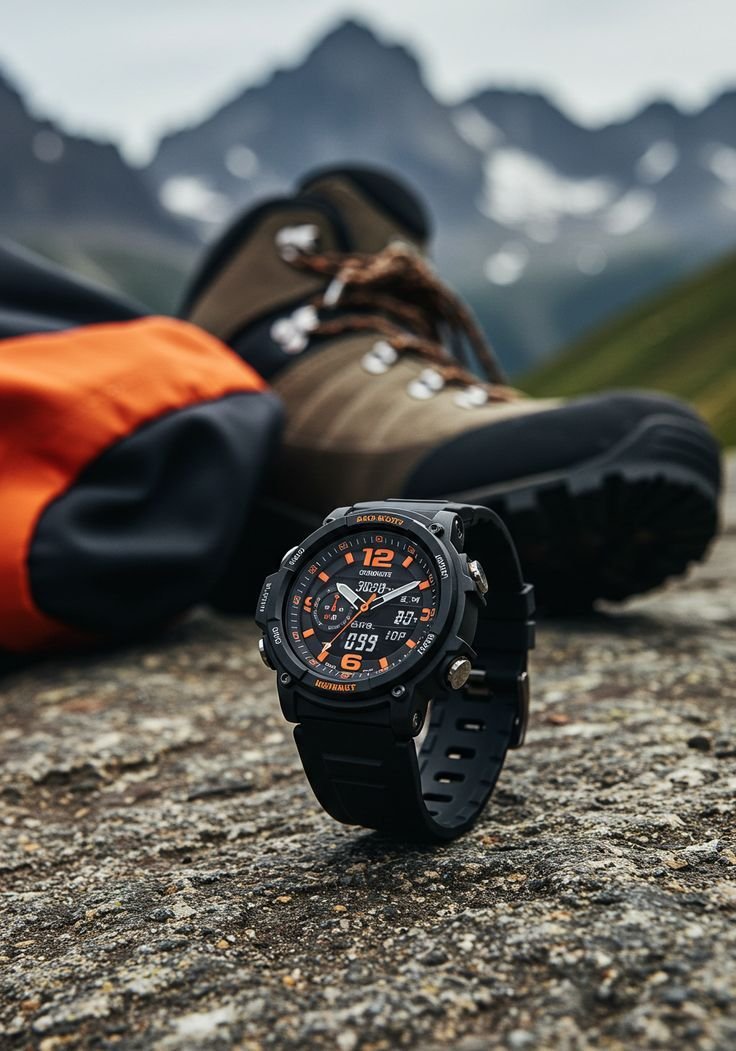
Image Source
Understanding the key features is essential before making a purchase. The right combination of sensors, battery, and tracking modes determines how much real value you’ll get.
Here’s a detailed guide to the must-have features:
1. Heart Rate Sensor
A precise heart rate monitor is central to any modern sports watch. It helps measure intensity levels and ensures you’re training within your target zones. Optical sensors using green LED light technology have improved significantly, now offering up to 95% accuracy under motion conditions.
2. GPS and Route Tracking
If your workouts include outdoor running or cycling, GPS accuracy is non-negotiable. Multi-satellite systems such as GPS + GLONASS + Galileo improve distance tracking by up to 40%, especially in crowded city areas. Dual-band GPS is becoming standard in 2025 for better precision.
3. Water and Sweat Resistance
Look for at least 5 ATM (50 meters) water resistance. It protects your watch during swimming or rainy-day runs. Sweat-resistant silicone straps improve comfort and prevent skin irritation.
4. Battery Life
Battery performance varies widely. Some models last 5–7 days on average, while high-end ones go beyond 10 days with continuous tracking. Fast-charging systems are now common, with 80% charge achieved in under an hour.
5. Fitness Modes
A variety of sport modes like running, yoga, swimming, HIIT, and strength training ensures your data reflects your true effort. Many watches in 2025 now include auto exercise detection, identifying activity type without manual input.
6. Connectivity
Ensure your watch supports Bluetooth 5.3 or above for faster data syncing with mobile apps. Seamless app integration allows you to view workout summaries, trend graphs, and recovery advice easily.
7. Display Quality
Readable screens under bright sunlight are a must. AMOLED and MIP displays dominate the 2025 market due to clarity and low power consumption. A brightness level above 1000 nits ensures visibility even outdoors.
8. Comfort and Strap Design
A watch should feel like an extension of your wrist. Go for lightweight designs under 50 grams, flexible silicone or fabric bands, and adjustable straps that fit securely without restricting movement.
9. Recovery and Sleep Tracking
Many users overlook this feature, but it’s crucial. Quality rest improves performance. Watches that measure heart rate variability (HRV), sleep stages, and recovery time help maintain balance between training and rest.
10. Smart Functions
Features like message alerts, alarm notifications, and music control make the watch practical for daily life. However, these should not compromise battery life or distract during workouts.
Comparing Entry-Level vs Advanced Sport Watches
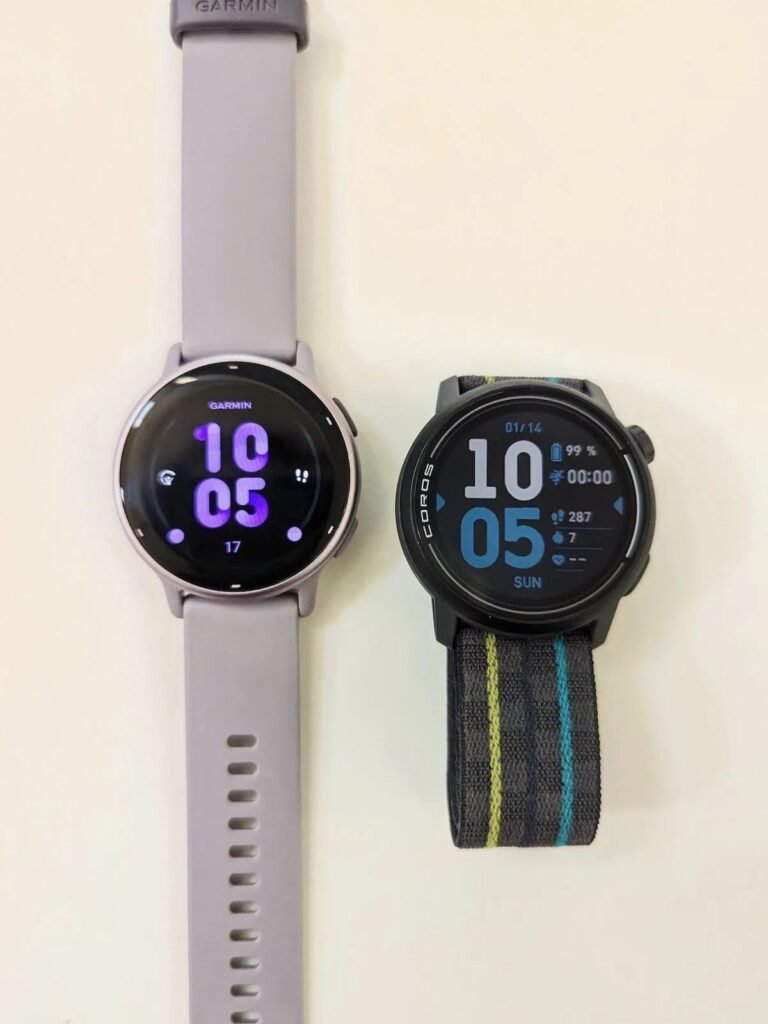
Image Source: Pinterest
| Feature | Entry-Level Models | Advanced Models (2025) |
|---|---|---|
| Heart Rate Accuracy | 85–88% | 93–95% |
| GPS Tracking | Single-band | Dual/Triple-band |
| Battery Life | 3–5 days | 10–14 days |
| Display Type | LCD | AMOLED/MIP |
| Water Resistance | 3 ATM | 5–10 ATM |
| App Connectivity | Basic | Full analytics, AI insights |
| Weight | 55–65g | Under 50g |
| Price Range | $70–150 | $200–450 |
When comparing models, remember that accuracy and battery matter more than flashy extras. Mid-range devices in 2025 offer an ideal balance, strong tracking, durable materials, and reliable app integration without a steep price tag.
If you’re training daily, investing slightly more in an advanced model pays off through consistent results and reduced error margins.
A sports watch is no longer just a timekeeping device; it has become a daily fitness companion. Whether you’re running in the morning, cycling after work, or squeezing in a short gym session, it quietly measures your performance, records your data, and guides your progress.
Today’s fitness culture depends on measurable results. Real-time metrics such as heart rate, calories burned, step count, and active minutes have become part of everyday life. In 2025, over 65% of regular exercisers use wearable devices, and among them, watches are the most preferred because of their convenience and accurate tracking ability. Visit here!
The main role of this device is to translate effort into data. It provides insight into how the body reacts to movement, how consistent workouts are, and how recovery patterns affect progress. In simple terms, a sport-watch converts everyday exercise into an organized record of your fitness story — something that motivates users to stay consistent and improve performance.
Why does Choosing the Right Sport Watch matter?
Buying the right sport-watch matters because not all devices are designed for the same purpose. Some focus on style, while others prioritize performance accuracy. Choosing wisely means your workouts will be guided by real data instead of estimates.
Here’s why your choice is crucial:
- Accuracy defines improvement: A good watch ensures your pace, distance, and calorie readings are reliable, giving you a true reflection of your training effort.
- Durability supports consistency: You’ll wear it through sweat, rain, and long sessions. Build quality ensures your investment lasts through tough workouts.
- Comfort builds habit: A lightweight design encourages all-day use, helping you track both activity and rest without irritation.
- Battery life matters: A dependable device shouldn’t die mid-run. A longer-lasting battery means fewer interruptions in your training data.
With market reports showing over 40 million fitness watches sold globally in 2025, it’s clear that people value performance tools that deliver measurable outcomes. Choosing the right one can make your training more structured and your progress easier to visualize.
How to Match a Sport Watch with Your Fitness Goals?
Selecting the right model depends on your activity type and routine intensity. The device should complement your habits, not complicate them.
| Fitness Goal | Recommended Features |
|---|---|
| Running | Dual-band GPS, Heart Rate Alerts, Pace Monitor |
| Gym/Strength Training | Motion Detection, Interval Timer, Rep Counter |
| Swimming | 5 ATM Water Resistance, Stroke Count, Lap Tracking |
| Cycling | GPS Navigation, Cadence Tracking, Battery Over 12 Hours |
| Yoga & Mindfulness | Stress Tracking, Breathing Guidance, Sleep Insights |
| HIIT/Functional Training | Auto Detection, Recovery Timer, Real-Time Coaching |
Matching features with your actual usage keeps your workouts efficient and prevents paying for unused tools.
For instance, if you’re an indoor gym user, advanced GPS might not be essential. But if you often train outdoors, GPS and long battery life become top priorities.
Real-World Insights from Existing Market Data
By 2025, the global fitness wearable industry is expected to exceed $80 billion, driven mainly by health-conscious consumers and the rise of connected devices. Surveys show that 68% of users rely on their sport-watches primarily for daily fitness tracking rather than notifications or entertainment.
Here’s what current user data reveals:
- 72% check their heart rate multiple times per workout.
- 60% use sleep tracking regularly.
- 55% switch between more than two sport modes each week.
- 48% prefer watches with at least 10 days of battery life.
These insights confirm that people seek practical performance, accuracy, durability, and consistency. A sport-watch that delivers clean, reliable data builds trust and long-term engagement.
With AI integration improving rapidly, expect future watches to provide predictive insights, recommending recovery days or personalized workout intensity based on ongoing trends.
Maintenance Tips to Extend Watch Life
Regular care keeps your device accurate and long-lasting. These are the most effective maintenance steps:
- Clean sensors weekly with a soft, damp cloth to remove sweat and oil residue.
- Avoid extreme temperatures — both heat and cold affect battery chemistry.
- Update firmware through the app to ensure compatibility and feature improvements.
- Charge before full depletion to preserve lithium battery efficiency.
- Replace worn-out straps early to prevent skin irritation.
- Dry it properly after swimming or heavy sweating.
When maintained properly, a quality sport-watch can retain over 90% tracking accuracy and battery health even after two years of daily use.
Common Mistakes Buyers Make When Choosing a Sport Watch
Many buyers rush into buying a watch based on looks or brand hype. To make a smarter decision, avoid these common mistakes:
- Ignoring compatibility: Some watches don’t sync smoothly with all smartphones. Always check OS support.
- Overpaying for luxury: Fancy materials don’t improve performance. Focus on function.
- Neglecting battery checks: A short battery life disrupts long workouts.
- Skipping comfort tests: A poor fit leads to inaccurate readings and wrist fatigue.
- Not considering app support: Limited apps mean limited progress tracking.
Being aware of these pitfalls helps ensure your money goes toward genuine performance features that improve your fitness journey.
Q1: Can a sports watch accurately measure calories burned?
Yes. Modern sports watches equipped with advanced heart rate sensors, motion detection, and AI-driven algorithms can achieve up to 90% accuracy in calorie tracking. Accuracy may vary slightly depending on exercise intensity, body composition, and movement type, but they provide a highly reliable estimate for most workouts.
Q2: Do all sports watches need the internet to function?
No. Most core features, such as step counting, heart rate monitoring, and even GPS tracking, work perfectly offline. An internet connection is only needed for data syncing, firmware updates, or app integration to view detailed reports.
Q3: How long does the average battery last in 2025 models?
Battery life has improved significantly. The average 2025 sports watch offers 7–10 days of regular use, while premium models with power optimization and solar charging can last up to 14 days or more, depending on settings and usage habits.
Q4: Is water resistance the same as waterproof?
Not exactly. Water-resistant means a watch can handle splashes, rain, or brief immersion, while waterproof implies it can withstand full submersion at specified depths. Always check the ATM rating (e.g., 5 ATM = safe for swimming, 10 ATM = suitable for diving) before exposing your watch to water.
Q5: What’s the best way to choose between two similar models?
Focus on accuracy, battery performance, and comfort—the three essentials for daily use. Read verified reviews, compare fitness tracking precision, and ignore flashy features you won’t use. Choose the model that best fits your training goals and lifestyle rather than marketing claims.
Conclusion
Choosing the right sport watch is about more than style; it’s about finding a dependable partner that supports your daily training goals. A well-designed watch helps you understand how your body performs, tracks your improvement, and keeps your workouts consistent. From accurate heart rate monitoring to reliable GPS tracking, every feature plays a part in shaping a smarter fitness routine.
In 2025, sport-watches have become more advanced, accessible, and durable, giving users accurate insights once available only to professional athletes. The key is to focus on performance-driven features — accuracy, comfort, long battery life, and seamless connectivity instead of being distracted by unnecessary extras.
When you wear a device that measures your effort correctly, you build habits that lead to real progress. Every heartbeat, every step, and every recovery phase becomes visible proof of your discipline. Investing in a good sport-watch means investing in your consistency, and consistency is what turns fitness goals into lasting results.