
In today’s fast-paced world, keeping your heart healthy is more important than ever. Heart disease remains one of the leading causes of illness and premature death worldwide, yet early detection and preventive care can make a huge difference. That’s where a best smartwatch for heart health comes in. These modern devices are no longer just for tracking steps or notifications—they have evolved into powerful health tools capable of monitoring your heart in real time, detecting irregular rhythms, analyzing stress and sleep patterns, and even measuring blood oxygen levels.
Choosing the right smartwatch can feel overwhelming, given the many brands and features available. But understanding what truly matters—such as continuous heart rate monitoring, ECG functionality, SpO2 tracking, stress management, and advanced analytics—can help you make an informed decision.
By selecting a best smartwatch for heart health with the right heart health capabilities, you’re not just keeping track of numbers; you’re gaining a personalized wellness assistant that provides actionable insights, protects your cardiovascular health, and supports a longer, healthier life.
Why Heart Health Features in Smartwatches Are Essential
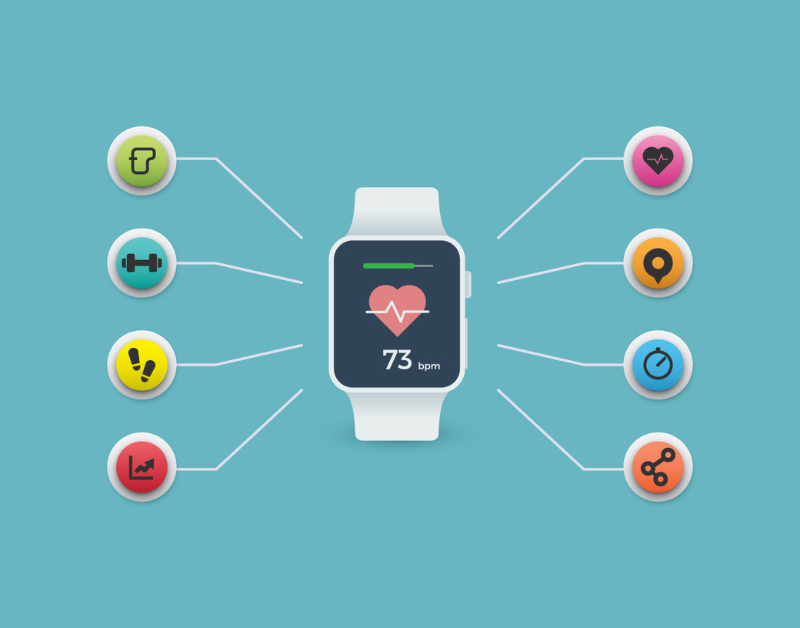
Heart disease is one of the leading causes of death globally, but many heart-related problems show subtle signs long before symptoms occur. A smartwatch equipped with the right features can provide early warnings and allow for preventive action. for more details visit here!
Some of the key reasons heart health features matter include:
- Continuous Monitoring: Watches track your heart 24/7, spotting abnormal trends that may go unnoticed in occasional checks.
- Early Detection: Features like ECG and heart rhythm monitoring can identify irregularities such as atrial fibrillation before complications arise.
- Preventive Insights: Blood oxygen tracking, stress analysis, and sleep monitoring give a complete picture of cardiovascular health.
- Personalized Feedback: Modern smartwatches combine sensors with AI to give you guidance tailored to your heart’s condition.
With these tools, you are not just tracking your heart—you are actively managing it.
Key Features That Make a Smartwatch Ideal for Heart Health
Not all smartwatches are equally effective at supporting cardiovascular wellness. Here are the most critical features to look for:
1. Continuous Heart Rate Monitoring
A continuous heart rate monitor (HRM) tracks your heart rate throughout the day and night. Unlike traditional periodic checks, continuous monitoring provides real-time insight into your heart’s performance.
Benefits include:
- Detecting abnormal heart rhythms
- Understanding heart rate trends during rest, activity, and sleep
- Optimizing workouts and recovery
For example, if your resting heart rate gradually increases over several weeks, it may indicate stress, overtraining, or early health issues. Continuous monitoring allows you to act quickly.
2. ECG (Electrocardiogram) Function
ECG tracks the electrical activity of your heart and can detect irregular rhythms like atrial fibrillation. Many best smartwatch for heart health now include medical-grade ECG sensors that provide valuable insight without visiting a clinic.
Why ECG is essential:
- Early detection of arrhythmias
- Identifying potential cardiac events
- Providing data for doctors to evaluate your heart health
Regular ECG scans can help prevent serious complications by alerting you to anomalies early.
3. Blood Oxygen (SpO2) Monitoring
SpO2 sensors measure the oxygen saturation in your blood, providing insight into your respiratory and cardiovascular health. Low SpO2 levels can indicate:
- Heart or lung conditions
- Sleep disturbances such as sleep apnea
- Reduced performance during workouts
Regular monitoring allows you to notice trends and take preventive action.
4. Real-Time Alerts
One of the most critical features for heart health is instant notifications when your heart rate is abnormal. Real-time alerts can notify you if your heart rate:
- Exceeds a safe maximum
- Falls below a healthy minimum
- Shows irregular patterns
These alerts allow you to act quickly, potentially preventing serious events.
5. Stress and Recovery Tracking
Stress is a silent contributor to heart disease. best smartwatch for heart health that measure heart rate variability (HRV) provide insight into stress levels and recovery needs.
Benefits include:
- Early detection of chronic stress
- Personalized recommendations for relaxation
- Optimization of recovery between workouts
Integrating stress management into your heart health routine can reduce long-term cardiovascular risks.
6. Sleep Monitoring
Sleep quality directly affects heart health. Smartwatches with advanced sleep tracking provide:
- Sleep stage analysis (light, deep, REM)
- Restfulness scores
- Correlation between sleep quality and heart health
Poor sleep over time can increase heart disease risk. Monitoring sleep patterns allows you to make changes to improve both sleep and heart health.
7. Fitness Tracking and Heart Rate Zones
Exercise is key to maintaining a healthy heart, but overtraining or undertraining can be counterproductive. Smartwatches with fitness tracking features help you:
- Train within safe heart rate zones
- Track calories burned and endurance
- Monitor recovery and avoid strain
Using fitness metrics in combination with heart data ensures effective and safe workouts.
8. Health Analytics and Reports
Data is only valuable if it can be interpreted. The best smartwatches provide comprehensive analytics, allowing you to:
- Analyze trends over time
- Identify patterns in heart rate, sleep, and activity
- Share reports with healthcare professionals
Regularly reviewing analytics helps you make informed decisions and adjust lifestyle habits to support heart health.
Comparison Table of Heart Health Features
| Feature | Importance | How to Use | Benefit |
|---|---|---|---|
| Continuous Heart Rate Monitoring | High | 24/7 monitoring | Detects trends, abnormal patterns |
| ECG | Very High | Scan when needed | Identifies irregular rhythms |
| SpO2 Monitoring | Medium | Use during sleep/workouts | Tracks oxygen levels |
| Real-Time Alerts | Very High | Enable notifications | Immediate warning of risks |
| Stress & HRV | Medium | Check daily | Supports stress management |
| Sleep Monitoring | High | Track nightly | Optimizes recovery & heart health |
| Fitness Tracking | Medium | Use during exercise | Safe, effective workouts |
| Health Analytics | High | Review weekly/monthly | Track trends, share with doctors |
Using a Smartwatch to Maximize Heart Health Benefits
Owning a smartwatch is only the first step. To truly improve heart health, consider the following strategies:
Set Personalized Heart Rate Zones
Adjust heart rate zones based on age, fitness level, and activity goals to optimize workouts and avoid overexertion.
Enable All Alerts
Activate notifications for abnormal heart rate, irregular rhythms, or low oxygen levels to catch early signs of trouble.
Combine Sleep and Stress Tracking
Monitoring both gives a more complete view of recovery and cardiovascular strain.
Review Health Analytics Regularly
Trend analysis over weeks and months helps you adjust your lifestyle and share actionable data with healthcare providers.
Understanding Heart Health Metrics
Resting Heart Rate (RHR)
Indicates cardiovascular efficiency. Normal: 60–100 bpm; athletes: 40–60 bpm. Lower RHR typically indicates better heart fitness.
Heart Rate Zones
Understanding zones helps optimize workouts for fat burn, endurance, or peak performance without overstraining the heart.
SpO2 Levels
Healthy oxygen saturation: 95–100%. Low readings may indicate heart or respiratory issues.
ECG Readings
ECG helps detect irregular rhythms, which can indicate potential heart conditions requiring medical attention.
Advanced Tips to Enhance Heart Health with a Smartwatch
- Track Trends, Not Just Numbers: Look at weekly or monthly trends rather than focusing on individual readings.
- Combine Data Points: Use HR, SpO2, sleep, and stress data together to identify lifestyle patterns.
- Sync with Apps: Many watches allow integration with health apps for deeper insights.
- Set Recovery Reminders: Smartwatches can remind you to rest after intense activity to protect your heart.
- Review Alerts Promptly: Don’t ignore abnormal readings—they can be early warning signs.
FAQs About Smartwatches and Heart Health
Q1. How accurate are smartwatches for heart rate monitoring?
Modern smartwatches provide clinically reliable accuracy for everyday use but are not medical devices. They cannot replace professional evaluation.
Q2. Can a smartwatch detect a heart attack?
Smartwatches cannot diagnose a heart attack but can alert you to abnormal heart rhythms that may require medical attention.
Q3. What is ECG, and why is it important?
ECG measures your heart’s electrical activity, helping identify irregular rhythms such as atrial fibrillation. Early detection can prevent serious complications.
Q4. How often should a smartwatch monitor heart rate?
Continuous 24/7 monitoring provides the most accurate picture of heart health and helps detect anomalies early.
Q5. Can smartwatches help with stress management?
Yes. HRV tracking and guided breathing exercises reduce stress and support overall cardiovascular health.
Q6. Should I consult a doctor for abnormal readings?
Always. Smartwatch alerts are useful for early detection, but professional evaluation is essential for persistent issues.
Q7. Are smartwatches compatible with both iOS and Android?
Most premium models support both platforms. Always confirm compatibility before purchasing.
Q8. Can a smartwatch replace regular medical checkups?
No. While they provide valuable insights, smartwatches are supplementary tools. Regular checkups remain essential for heart health.
Conclusion:
A best smartwatch for heart health is more than a convenience—it is a life-enhancing tool that puts critical health insights at your fingertips. With features like continuous heart rate monitoring, ECG, SpO2 measurement, stress analysis, and sleep tracking, these devices provide actionable information that helps you manage your heart proactively. The right smartwatch empowers you to detect irregularities early, optimize workouts, reduce stress, and improve overall cardiovascular wellness, all while fitting seamlessly into your daily routine.
By effectively using the data and alerts provided, you can make informed decisions, adjust lifestyle habits, and even support discussions with healthcare providers. Heart health is a priority that deserves attention every day, and investing in a smartwatch with comprehensive monitoring capabilities is a smart, preventative step toward protecting this vital organ.
In a world where every heartbeat matters, the right smartwatch is more than a gadget—it’s your personal heart guardian, helping you stay healthy, informed, and in control of your well-being.