
Your child has been eyeing that smartwatch on your wrist for weeks. You’ve been wondering whether they’re ready for one — and whether any of them are actually built for kids. The good news: the smart watches for kids market in 2026 has genuinely grown up. There are more thoughtful, well-designed options than ever before, and choosing the right one doesn’t have to be overwhelming.
Whether your child is six and just starting school, or twelve and practically a teenager, there’s a smartwatch built for their stage of life. This guide walks you through everything you need to know — what features matter, what’s just marketing noise, how to shop by age, and where to find quality kids’ smartwatches without paying a premium for a brand name.
Why Kids Are Wearing Smartwatches in 2026?
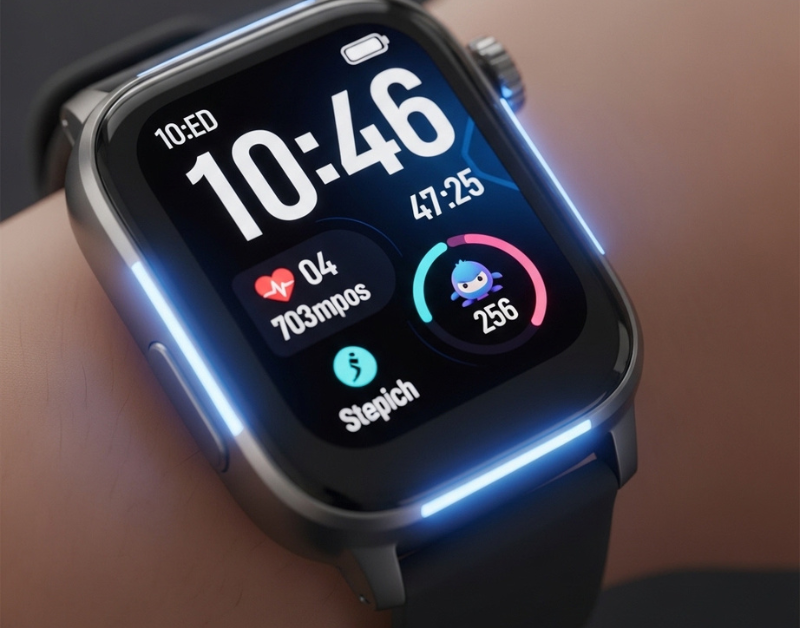
Smartwatches for children aren’t a novelty anymore. They’ve become a practical parenting tool and a genuinely enjoyable wearable for kids who want to feel a little more grown-up. for more details visit here!
For parents, the appeal is real: a kid smart watch can let you stay connected with your child without handing them a smartphone. For kids, the appeal is even simpler — it’s cool, it tracks their steps, it tells the time, and sometimes it has games.
From Toy to Tool — How Kid Smart Watches Evolved:
The first generation of children’s smartwatches were little more than plastic step-counters with cartoon faces. Today’s smart watches for kids are something else entirely. They feature GPS tracking, two-way calling, educational apps, SOS emergency buttons, sleep monitoring, and durable builds designed to survive the school run, the football pitch, and everything in between.
The shift is driven by parents who want safety features without screen addiction, and by kids who want technology that keeps up with them.
What to Look for in a Kid Smart Watch:
Not all smartwatches marketed at children are created equally. Here’s how to cut through the noise and focus on what actually matters.
Safety Features That Actually Matter:
The number-one reason most parents buy a kid smart watch is safety. Look for:
- GPS location tracking — real-time or near-real-time, accessible via a parent app
- SOS/emergency call button — a one-press shortcut to reach a trusted adult
- Geofencing alerts — notifications when your child leaves a defined safe zone
- Call and contact controls — the ability to approve who your child can call or receive calls from
Not every watch needs every feature, but GPS and emergency contact capabilities are worth prioritizing if your child has any independence — walking to school, playing in the park, visiting friends.
Durability — Built for Real Kids, Real Life:
Kids drop things. They splash through puddles. They forget watches exist until the watch is already face-down on concrete. A good smart watch for kids needs to survive daily reality.
Look for:
- IP67 or IP68 water resistance — splash-proof at minimum, ideally swim-capable
- Reinforced casing — rubberized or shock-resistant materials
- Scratch-resistant screen — because school bags are merciless
- Comfortable strap — adjustable, hypoallergenic, and easy for small hands to fasten
Fun Without the Overwhelm:
A smartwatch that’s too complicated will just sit in a drawer. The best smart watches for kids balance enough features to be exciting with an interface simple enough for a child to navigate independently.
Educational games, pedometer challenges, alarm clocks they can set themselves, and customizable watch faces all make a watch feel like theirs — not just something their parents bought.
Battery Life and Ease of Use:
Kids aren’t great at remembering to charge things. Aim for a watch with at least 24–48 hours of battery life on a single charge — and ideally one with a magnetic or easy-attach charging cable that a child can manage themselves.
Top Features the Best Smart Watches for Kids Should Have:
When you’re comparing models, here’s a quick checklist of features worth looking for in any quality kid smart watch:
- GPS tracking with parent app integration
- Two-way calling (calls and/or messaging)
- SOS emergency button
- Step counter and activity tracking
- Water resistance (IP67 minimum)
- Durable, child-friendly build
- Simple, intuitive interface
- Parental controls
- Long battery life (24hr+)
- Comfortable, adjustable strap
Every family’s priority list will look slightly different. A parent of a seven-year-old starting to walk home from school might care most about GPS and calling. A parent of a ten-year-old athlete might prioritize step tracking and water resistance. Know your child’s life, and match the features accordingly.
How to Choose the Right Kid Smart Watch by Age?
Age matters when choosing smart watches for kids. The right watch at seven is very different from the right watch at twelve.
Ages 4–7: Simple, Colorful, and Tough:
At this age, the watch is mostly for parents, not the child. GPS tracking, an SOS button, and a simple calling function are the priorities. The child-facing side should be colorful, easy to read, and nearly impossible to break.
Avoid overloading young children with too many features — they want to tell the time, maybe track their steps, and feel like they have a cool gadget. Keep it simple.
Ages 8–12: More Features, More Independence:
This is where kids start wanting real functionality. At this age, children enjoy customizing watch faces, tracking their physical activity, receiving messages, and having a bit more control over their device.
For this age group, look for a kid smart watch with solid GPS, two-way messaging, activity tracking, and parental control over contacts and content. Some watches in this range also include basic educational tools — calculators, reminders, and learning games — which parents and teachers tend to appreciate.
Ages 12+: Bridging the Gap to Adult Smartwatches:
Tweens approaching their teens often outgrow kid-specific watches quickly. At this stage, consider watches that sit between a children’s device and a full adult smartwatch — models with health tracking, music controls, and a more grown-up design aesthetic, while still retaining parental oversight options.
This is also the age group where design matters most. Your twelve-year-old won’t wear a bright yellow cartoon watch to school, no matter how good its GPS is.
Red Flags to Avoid When Shopping for Kids Smartwatches:
With so many options on the market, it’s easy to make a purchase you’ll regret. Here’s what to watch out for:
Vague water resistance claims. “Splash-proof” without an IP rating means very little. Always check for a genuine IP67 or IP68 rating if water exposure is likely.
No parental controls. A child’s device with unrestricted internet access or unlimited contacts isn’t a kid’s watch — it’s a liability. Make sure any watch you buy includes meaningful parental control features.
Overstated health sensors. Some budget smart watches for kids advertise blood pressure or blood oxygen monitoring that simply doesn’t work accurately on small wrists. Unless a sensor is genuinely calibrated for children, treat those specs with skepticism.
Short warranty and no customer support. A smartwatch is a meaningful purchase. Buy from a retailer that offers genuine after-sales support and a clear returns policy.
Poor app compatibility. Many kids’ smartwatches require a companion app. Check that the app works on your phone’s operating system, has decent reviews, and is actively maintained.
Where to Buy Smart Watches for Kids Online?
When shopping for a kid smart watch online, you want a store that combines a strong product range with reliable delivery, transparent product descriptions, and easy returns.
Joeme.fit is an online smartwatch store with a growing collection of smartwatches designed for different lifestyles and age groups. Their platform is built around accessibility and value — offering feature-rich watches at prices that don’t require a second mortgage — with an intuitive shopping experience and order tracking built in.
Whether you’re looking for a first watch for a young child or a more advanced model for an older kid, browsing Joeme.fit’s smartwatch collection is a solid starting point. Their product descriptions are clear, checkout is straightforward, and they back purchases with a customer-friendly returns policy.
browse the full collection and find the right fit for your child.
FAQ — Kid Smart Watch Questions Answered:
Q: At what age should a child get a smartwatch? There’s no universal rule, but most child-focused smartwatches are designed for ages 4 and up. The right age depends more on your child’s maturity and your specific safety needs than a number. Many parents introduce a basic kid smart watch around 5–7, especially when children begin spending time away from home.
Q: Do kids’ smartwatches need a SIM card? Some do, some don’t. Watches with calling and GPS features typically require a SIM card or a data plan through a companion app. Basic models without communication features operate entirely via Bluetooth connected to a parent’s phone. Check the product specs before buying.
Q: Are smartwatches safe for children to wear? Generally yes, when used appropriately. Look for watches made from hypoallergenic materials, especially if your child has sensitive skin. On the data privacy side, always review the manufacturer’s privacy policy and parental control options before connecting a child’s device.
Q: What’s the difference between a kids’ smartwatch and a regular smartwatch? Kids’ smartwatches are typically more durable, simpler to use, and include child-specific features like SOS buttons, geofencing, and parental controls. They’re also usually priced lower than adult models. Adult smartwatches tend to offer more advanced health monitoring and integrations, but lack the safety-focused features parents need.
Q: How long does the battery last on a kid smart watch? Battery life varies widely. Basic models last 2–5 days on a charge; feature-rich models with GPS and calling tend to last 1–2 days. Always check the stated battery life and factor in that active kids will use the watch constantly throughout the day.
Q: Can I track my child’s location with a kids’ smartwatch? Many smart watches for kids include GPS tracking accessible through a parent app. Location accuracy and update frequency vary by model and whether the watch has its own SIM/data connection. GPS-enabled watches generally provide more reliable tracking than Bluetooth-only models.
Conclusion:
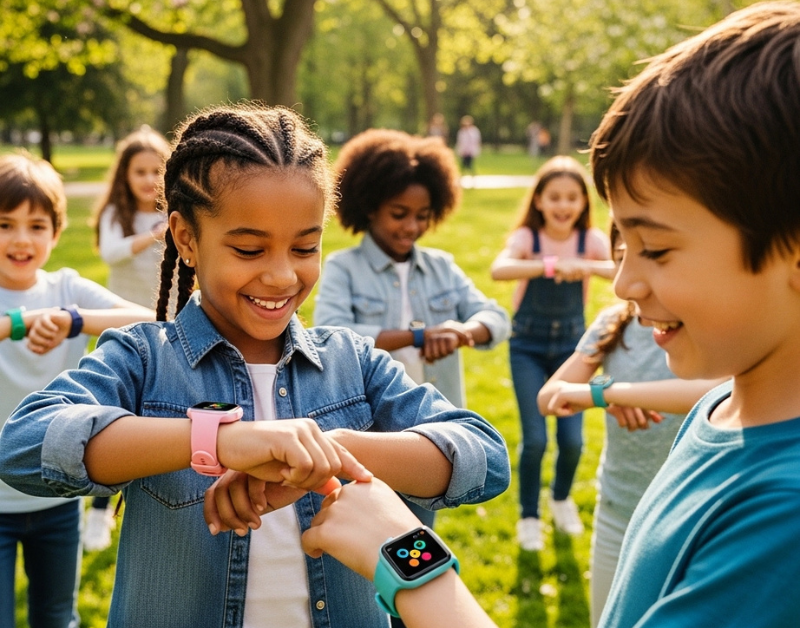
Finding the right kid smart watch in 2026 comes down to three things: your child’s age, your family’s safety priorities, and how much independence your child has day-to-day.
The market has matured enough that you don’t have to choose between safe and fun, or between durable and affordable. The best smart watches for kids manage all of it — they’re built to survive childhood, designed to give parents peace of mind, and interesting enough that kids actually want to wear them.
Start with the features that matter most to you, shop from a trusted retailer with transparent product information and decent after-sales support, and you’ll find something your child will genuinely love.
Ready to find the perfect watch? Browse Joeme.fit’s smartwatch collection and discover well-priced, feature-rich options for kids of every age.
quality smartwatches, delivered to your door.